search

 In these weeks following Easter, we are learning alongside our church school students how the good news of Jesus’ resurrection begins to spread. As more and more see the risen Messiah, their doubt changes to belief and they share the story of Easter. Through the faithful teaching of the disciples, some people who are least likely to be a part of this movement, come to follow in the hope of Jesus’ ministry and teachings.
One of the most powerful concepts in the Christian story is the idea of repentance. The Greek word in the scriptures is metánoia, meaning “a profound, transformative change of mind or heart.” It’s powerful because it means that nobody, not even the worst among us, is beyond redemption. If we’re on the wrong path, following the wrong ideology, making all sorts of mistakes, even harming people, we can turn it around, make amends and strike out on better way to live.
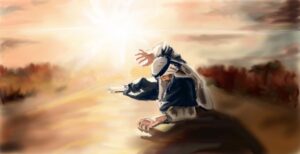
And one of the most powerful stories in the New Testament is Paul’s conversion (Acts 9:1-20), from being a zealous harasser of new Christ-followers, to becoming one himself. The story is powerful — the blinding light, the appearance of Jesus, the three days of blindness, the complete about-face — and so is the way that Paul channeled his enormous energy into furthering the ministry of Christ throughout the Mediterranean.
(Although many of us left-leaning, 21st-century people struggle with a lot written in Paul’s name, none of us would be a part of the Christian faith if it weren’t for his early efforts.)
I often wonder what would happen if some of our most malicious leaders, people who wreak all sorts of unnecessary pain, loss and struggle all over the world, were blinded on the road and forced to confront themselves. What turnabout could happen? What enormous reversal of power?
On Sunday, we’ll reflect on Paul’s experience, the ways it has happened in other people’s lives (like the author of the classic hymn, “Amazing Grace”), and the ways we can embrace metánoia in our own lives.
I look forward once again to living into this Good News with you.
In faith,
Kent